

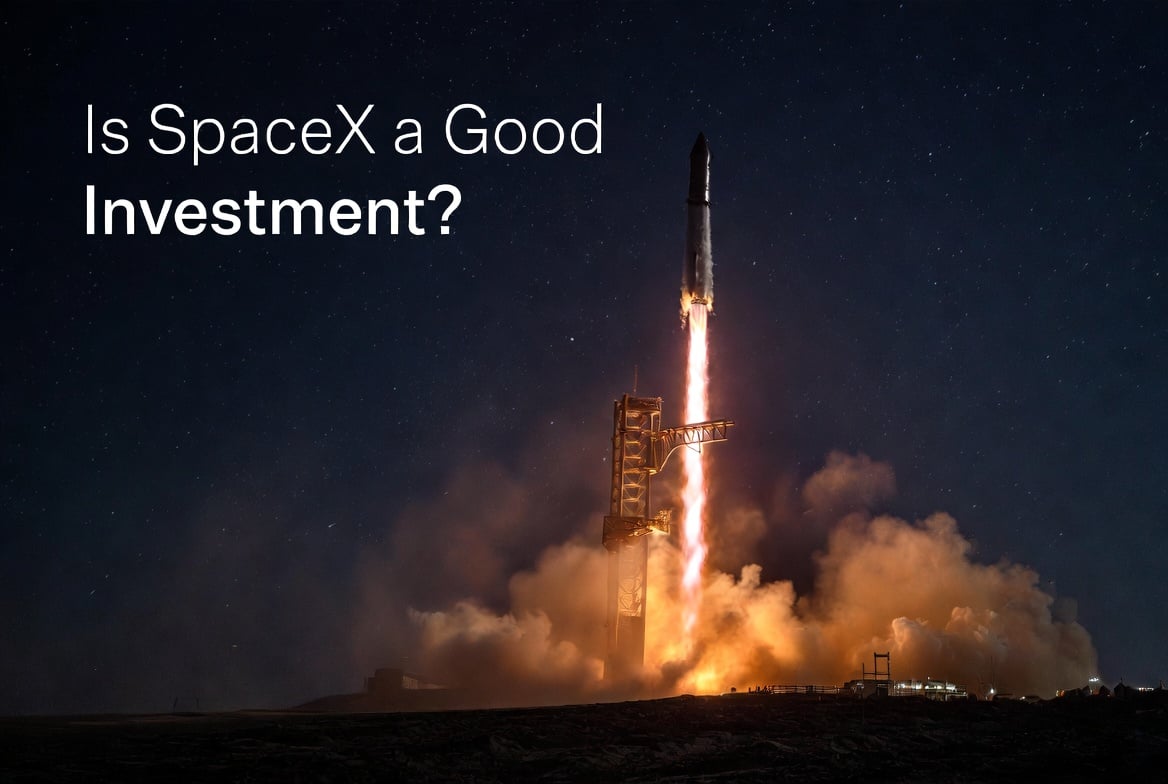
SpaceX, Elon Musk’s rocket and satellite company (now merged with aspects of xAI), completed its historic initial public offering on June 12, 2026. It priced shares at $135 each, raising a record ~$75 billion at a ~$1.75 trillion valuation—the largest IPO ever. Shares debuted strongly, opening around $150 and closing the first day near $161 (up ~19-20%), briefly pushing the market cap over $2 trillion. As of mid-June 2026, the stock has traded with volatility around the $180–$225 range amid high excitement and ongoing debates.
Now publicly traded on Nasdaq under ticker SPCX, SpaceX is accessible to everyday investors for the first time. But is it a good investment? Opinions are sharply divided between those who see it as a once-in-a-generation growth story and those who view the valuation as detached from current fundamentals, with near-term risks from insider selling.
Why Many Believe SpaceX Is a Strong Investment (The Bull Case) Bullish investors point to SpaceX’s dominant position in the emerging space economy and explosive growth potential:
- Starlink as a Cash Cow: The satellite internet business has driven most recent revenue (around $18.7 billion in 2025 in some reports) with strong operating income. Global demand for high-speed internet in underserved areas, maritime, aviation, and enterprise continues to grow. Starlink is often valued by analysts in the hundreds of billions on its own.
- Launch Dominance and Cost Leadership: SpaceX revolutionized space access with reusable Falcon rockets, achieving unmatched launch cadence and dramatically lower costs. This gives it a near-monopoly-like position in commercial launches, NASA contracts, and national security missions.
- Starship Ambitions: The fully reusable Starship system promises to slash costs further and enable massive payloads. Potential applications include Mars colonization (Musk’s long-term vision), lunar bases, point-to-point Earth travel, and even space-based data centers or AI infrastructure. Success here could unlock trillions in economic value.
- Space Economy Tailwinds: The broader space sector is projected to grow massively. SpaceX is positioned at the forefront with vertical integration, rapid iteration, and government backing.
- AI and xAI Synergies: The merger/integration with xAI adds exposure to artificial intelligence, potentially including space-based compute. Musk’s track record with Tesla and other ventures fuels optimism about execution on ambitious timelines.
Many long-term holders (including some early investors) see SpaceX as more than a rocket company—it’s a bet on humanity becoming multi-planetary and dominating the space economy. At current prices, some argue the growth trajectory justifies premium multiples.
Why Others Are Skeptical or Bearish (The Bear Case)Skeptics and value-oriented investors argue the current valuation prices in near-perfect execution on highly uncertain future projects:
- Extremely High Valuation and Multiples: At IPO pricing and post-debut levels, SpaceX traded at very high price-to-sales multiples (90x+ trailing in some calculations), far above mature tech giants. Morningstar has valued it significantly lower (around $780 billion or ~$63/share in one analysis), citing risks. cnbc.com
- Profitability and Cash Burn: The company has shown mixed profitability (losses in some recent years) amid heavy investment in Starship development and infrastructure. High capex requirements could pressure margins for years.
- Execution and Technological Risks: Starship has faced delays and test flight challenges. Scaling to routine high-cadence flights, achieving Mars goals, or monetizing speculative ideas like space AI infrastructure carries substantial technical and regulatory hurdles. Competition in launches and satellites could intensify.
- Key-Man and Concentration Risk: Elon Musk’s vision drives the company, but he has many competing priorities (Tesla, xAI, other ventures, and public roles). Any distraction or controversy could impact perception and operations.
- Post-IPO Selling Pressure and Volatility: This is a major near-term concern. Unlike standard 180-day lockups, SpaceX implemented a staggered release schedule. Portions of insider/early investor shares (up to 20% after Q2 earnings, with additional tranches on specific dates through December 2026) can hit the market sooner. Elon Musk has a longer lockup, but significant supply from other pre-IPO holders could create downward pressure, especially with thin initial float. es.tradingview.com
- Historical Precedent: Mega-IPOs often underperform in the months/years after debut as hype fades and selling pressure mounts. Some analysts expect volatility and potential corrections. barrons.com
Bears see perfection priced in and warn that any delay in Starship progress or weaker-than-expected Starlink growth could lead to sharp re-ratings.
My Take: Short-Term Sell-Off Likely Creates a Buying Opportunity
In my view, SpaceX could face meaningful selling pressure over the next couple of months as fears around the staggered lockup expirations and insider/early investor share sales weigh on sentiment. Even with strong underlying demand, the influx of supply (combined with profit-taking after the initial hype) is likely to create volatility and a potential dip—classic post-IPO digestion.
This environment often breeds fear and uncertainty among retail investors. When everyone is fearful and the stock pulls back on lockup-related headlines, that’s frequently when the best long-term entry points appear.Buying during that period of maximum pessimism—assuming the core business (Starlink growth + launch leadership) continues executing—could position investors for substantial upside as the company proves out its ambitious roadmap over the coming years. Of course, this is speculative; SpaceX remains a high-risk, high-reward name with execution uncertainties and valuation sensitivity.
Always do your own due diligence, consider position sizing, and remember that past performance (or hype) is no guarantee of future results. Space travel and multi-planetary ambitions are exciting, but investing carries real downside risk. This is not financial advice. Markets are unpredictable, and SpaceX’s stock has already shown significant volatility since its debut.