

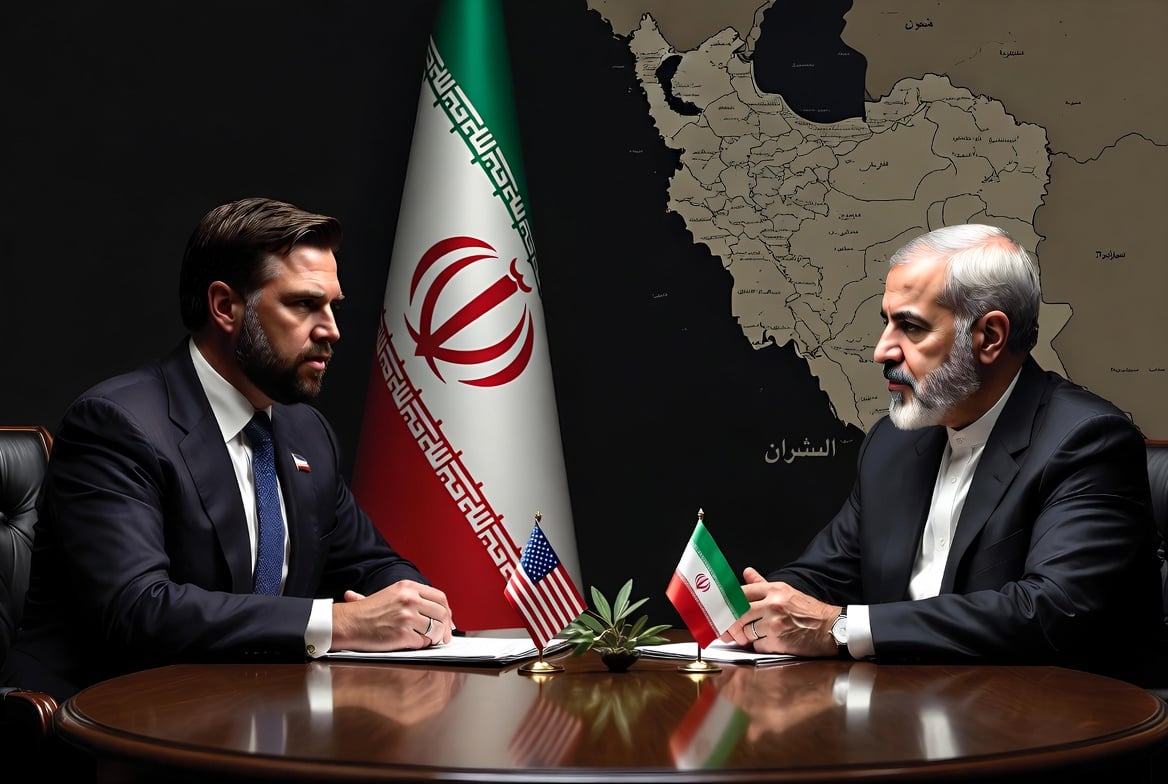
Right now, with a fragile ceasefire in place and a 60-day clock ticking on broader talks, the idea of a real peace agreement between the United States and Iran keeps coming up. But if you look closely at what it would actually take, one of the biggest hurdles is painfully obvious: Washington would somehow have to rein in Israel and keep it from launching more strikes, while Tehran would need to get a handle on Hezbollah and stop it from escalating things further. That sounds simple enough on paper. In practice, it’s a mess of politics, history, and hard realities that makes any lasting deal feel like a long shot.
The recent fighting — the direct exchanges between Iran and Israel, the involvement of U.S. forces, and the spillover into Lebanon — has already shown how quickly things can spiral. The interim understanding reached in mid-June helped reopen the Strait of Hormuz and paused some of the worst violence, but it left the toughest questions for later. Israel wasn’t even at the table, and it’s made clear it doesn’t feel bound by the terms. Meanwhile, Hezbollah has kept trading fire with Israeli forces in southern Lebanon, which keeps dragging Iran back into the picture whether it wants to be or not.
Israel’s Perspective on Gaza and Lebanon
From Israel’s point of view, the threats from Gaza and Lebanon are deeply connected and can’t be separated from any deal involving Iran. Hamas’s attack on October 7, 2023, and the ongoing war in Gaza have reinforced a core belief in Jerusalem: groups backed by Iran represent an existential danger that must be confronted directly, not managed through diplomacy alone.
Israeli officials argue that Hamas must be fully dismantled — its military infrastructure destroyed and its governing role in Gaza ended — to prevent another massacre. They see any ceasefire that leaves Hamas intact as just a pause that gives the group time to regroup with Iranian help.
The same logic applies to Lebanon. Israel has long viewed Hezbollah as Iran’s most dangerous forward operating arm, with tens of thousands of rockets aimed at Israeli cities. After years of cross-border attacks and the group’s role in supporting Hamas, many in Israel’s security establishment believe a lasting peace requires more than a temporary halt to fighting. They want Hezbollah pushed back from the border, its weapons stockpiles degraded or removed, and a real buffer zone established in southern Lebanon.
Netanyahu and defense officials have repeatedly said Israel won’t withdraw forces or stop operations until these security needs are met — even if it clashes with the U.S.-Iran ceasefire timeline. In their eyes, the Iran deal risks repeating past mistakes where temporary restraints on proxies eventually collapsed, leaving Israel more vulnerable.
This stance isn’t just about the current round of fighting. It reflects a deeper strategic outlook shaped by decades of conflict: Iran uses these groups to bleed Israel without direct confrontation, so Israel feels it has no choice but to respond forcefully on multiple fronts.
The Counter-Argument
Critics of Israel’s approach — including voices inside the U.S. administration, European diplomats, and even some Israeli security analysts — push back hard on this maximalist position. They argue that Israel’s continued operations in Gaza and Lebanon are actively undermining the very ceasefire and talks that could reduce Iran’s influence over time.
By keeping up strikes in southern Lebanon, Israel is giving Iran and Hezbollah a ready-made excuse to claim the U.S.-brokered deal is being violated, which could collapse the fragile pause and drag everyone back into wider war.
On Gaza, opponents say the scale of destruction and humanitarian crisis has isolated Israel internationally and strengthened hardliners in Tehran who want to portray the conflict as a broader fight against Western and Israeli aggression. A more limited approach — focused on hostage recovery, targeted degradation of Hamas capabilities, and eventual political arrangements — might achieve security goals without fueling the cycle of revenge that benefits Iran’s proxy network.
In Lebanon, they point out that Israel’s refusal to fully withdraw or accept a monitored buffer has prolonged the fighting and made it harder for the Lebanese government to rein in Hezbollah. Rather than weakening Iran’s hand, these actions can rally support for the “Axis of Resistance” inside Iran and among its allies.
The counter-view is that true security for Israel ultimately comes from weakening Iran’s broader position through sustained diplomacy, sanctions pressure, and isolating its proxies — not through endless military campaigns that risk regional escalation and U.S. fatigue.
The Bigger, Messier Problems
Even if both sides somehow managed to keep their key partners in check, plenty of other obstacles stand in the way.
Trust is basically nonexistent after years of broken agreements, maximum pressure campaigns, and direct attacks. How do you verify that Iran is really freezing its nuclear work or that proxies are staying quiet? Past deals struggled with this, and the current environment is even more charged.
Then there’s the question of what a deal would even cover. A narrow focus on nukes might not satisfy Israel or hardliners in Iran. Broader issues — missiles, regional influence, sanctions relief — open up endless arguments. Add in other players like Saudi Arabia and the Gulf states, who are watching warily, and it gets even more complicated.
Domestic politics on every side make compromise harder. In the U.S., Congress can always complicate or block parts of an agreement. In Iran, economic protests and internal power struggles are never far away. And in Israel, security hawks hold real sway.
Where This Leaves Things
The 60-day negotiation window is a chance, but it’s a narrow one. Success would probably require smaller, practical steps first — sustained quiet on the Lebanon front, real progress on nuclear monitoring, and gradual sanctions easing — rather than one big dramatic breakthrough. Both sides would have to accept that they can’t fully dictate what their allies or proxies do. That’s the uncomfortable truth at the center of all this.
In the end, a durable deal isn’t just about controlling the other side’s partners. It’s about finding enough common ground and verification tools that everyone can live with the compromises. Given how deep the mistrust runs and how many moving parts are involved — including Israel’s deep security concerns in Gaza and Lebanon — that’s going to take serious political will on all sides. Without it, we’re likely looking at more cycles of tension and temporary pauses rather than real peace.